
WELCOME BONUS 300%
UP TO €2000 + 100
FREE SPINS
UP TO €2000 + 100
FREE SPINS
Home → Games
Casino games at Staxino Casino
Jacks or Better: Check Payout Table Before Betting
The Video Poker Jacks or Better 9/6 variant offers a theoretical return of 99.54% when players utilize the optimal strategy for every hand dealt. This high RTP stands in stark contrast to the lower-paying 8/5 version, which drops the return significantly to 97.29%. The difference in house edge between these two tables amounts to 2.25 percentage points, directly impacting long-term bankroll preservation.
Players must wager five coins per spin to unlock the maximum Royal Flush bonus payout of 4000 credits, which is essential for achieving the stated 99.54% return rate. Without this maximum bet, the effective return decreases because the top prize scales linearly with the wager size rather than offering a fixed premium. This requirement applies specifically to Full Pay tables where the full paytable structure is active.
Table games contribute only 10% toward clearing the 300% welcome bonus up to €2,000, whereas slots count fully at 100%. This low contribution rate makes the volatile nature of video poker less efficient for bonus conversion compared to high-frequency slot machines. Players should calculate their turnover requirements carefully before committing to this specific game type.
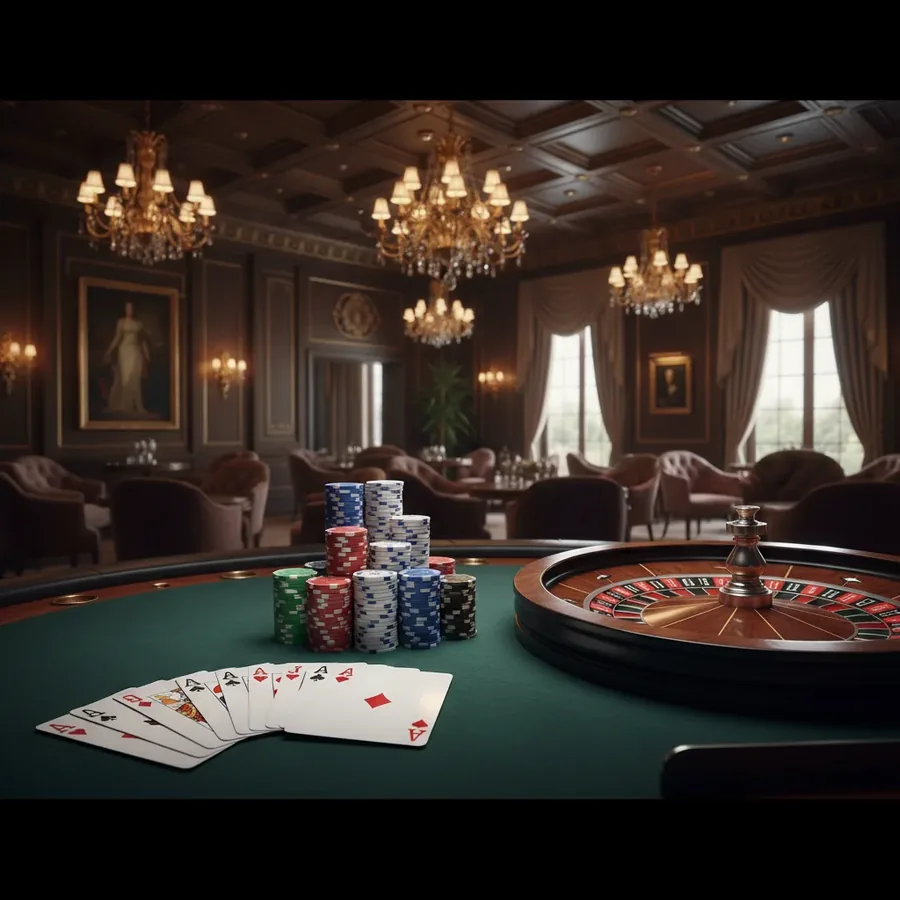
Video Poker 9/6: What the Two Numbers Mean
The designation 9/6 refers to the specific payout multipliers for a Full House and a Flush within the Jacks or Better paytable structure. A Full House pays 9 times the coin value, while a Flush returns 6 times the stake, defining the 'Full Pay' classification for this game variant. These exact numbers are mandatory for achieving the advertised 99.54% return to player statistic under optimal play conditions.
Reducing these payouts to 8 for a Full House and 5 for a Flush creates the 8/5 table, which lowers the overall RTP to 97.29%. This reduction costs the player 2.25 percentage points of expected return, effectively increasing the house edge from 0.46% to 2.71%. Such minor changes in the paytable have a massive mathematical impact on the long-term viability of the game.
The standard deviation of 4.42 indicates high volatility, meaning wins are infrequent but substantial when they occur compared to lower variance games. This statistical measure highlights the risk involved in chasing the Royal Flush, which requires the max bet of 5 coins for the 4000 credit bonus. Players must understand that the 9/6 label guarantees the best possible mathematical outcome available for this specific title.
6 Decks vs. 8 Decks in House Edge
Blackjack played with six decks allows for a theoretical return of 99.54% when following basic strategy on S17, DAS, and DOA rules. This configuration provides a house edge of just 0.46%, which is significantly more favorable than single-deck games that often impose restrictive 6:5 payouts. The additional decks increase the complexity of card counting but do not inherently worsen the odds if the rules remain generous.
A single-deck game with classic rules and 3:2 payouts achieves an even lower house edge of 0.15%, offering a superior RTP of 99.85%. However, casinos often compensate for this advantage by reducing the Blackjack payout to 6:5, which increases the edge to 1.85%. This rule change adds exactly 1.39 percentage points to the house advantage, negating the benefit of having fewer cards in play.
Comparing the six-deck 99.54% RTP against the 6:5 variant's 98.15% RTP reveals a critical distinction in player value and long-term cost. The 3:2 payout remains the primary factor determining profitability, outweighing the slight mathematical benefits of deck reduction alone. Players seeking the lowest house edge must prioritize the payout ratio over the number of decks used in the shoe.
Split 17:1 and Corner 8:1 in Payout Comparison
European Roulette features 37 sectors including a single zero, resulting in a constant house edge of 2.70% across all betting options. This edge persists despite the varying payout ratios, such as the Split bet paying 17:1 and the Corner bet paying 8:1. The mathematical disadvantage remains identical regardless of whether the player wagers on single numbers or larger grid sections.
The Straight bet offers the highest payout at 35:1, yet it still carries the same 2.70% house edge as the lower-paying Dozen bets at 2:1. This uniformity arises because the casino compensates for higher payouts by restricting the winning probability proportionally to the number of sectors. Every wager on the 37-sector wheel yields the same expected loss percentage over time.
Live dealer variants of this game operate under the same mathematical constraints as RNG versions, maintaining the 2.70% house edge for European layouts. Players comparing different roulette formats must note that American wheels with double zeros typically offer worse odds due to the additional green sector. The consistency of the edge ensures predictable long-term outcomes for all stake sizes.
37 vs. 38 Sectors: One Zero Difference
European Roulette utilizes 37 sectors consisting of numbers one through thirty-six plus a single zero, establishing a house edge of 2.70%. This configuration offers better odds for players compared to American layouts that include both a single and a double zero pocket. The presence of only one green sector reduces the casino's mathematical advantage significantly.
American Roulette typically contains 38 sectors, adding a double zero to the wheel and increasing the house edge to approximately 5.26% on even-money bets. This extra sector doubles the casino's advantage compared to the European version, making the 37-sector wheel the mathematically superior choice for minimizing losses. The difference in edge directly impacts the rate of bankroll depletion over extended play sessions.
Live dealer studios often offer both variants, allowing players to select the game with the lower house edge based on their risk tolerance. Choosing the European wheel with 37 sectors preserves more capital over time compared to the 38-sector American layout. This simple selection criterion represents the most effective strategy for improving long-term expectations in roulette.
Game categories at a glance
| Category | Examples | Stakes From | Highlight |
|---|---|---|---|
| Slots | Money Train 4, Sun of Egypt 3, Wanted Dead or a Wild | 0,10 EUR | thousands of titles |
| Table games | Roulette, Blackjack, Baccarat | 0,50 EUR | classic rules |
| Live casino | Crazy Time, Sweet Bonanza CandyLand | 0,20 EUR | real dealers |
| Jackpot games | Mega Moolah, Divine Fortune, Age of the Gods | 0,20 EUR | progressive pools |
| Instant games | Aviator, Plinko, Mines | 0,10 EUR | fast rounds |
| Video poker | Jacks or Better, Deuces Wild | 0,25 EUR | strategy based |
Dozen 2:1: Twelve Numbers, One Third Coverage
The European Roulette Dozen bet covers twelve specific numbers on the wheel and pays 2:1 when one of them lands. This payout ratio applies to a third of the thirty-seven available sectors, excluding the single zero pocket. Consequently, the house edge remains constant at 2.70% for this wager type across all standard bets.
Compared to straight-up bets paying 35:1, the dozen option offers higher frequency but lower individual returns per winning spin. The probability of hitting a dozen is exactly twelve out of thirty-seven, which mathematically ensures the casino retains its statistical advantage over time. Players betting here face the same mathematical reality as those placing column or even-money wagers.
This consistency means that no matter the stake size, the expected loss rate aligns with the 2.70% house edge defined in the game rules. A player risking fifty euros on dozens can expect to lose approximately one euro thirty-five cents per hour based on typical spin speeds. Such predictable variance makes it a stable choice for bankroll management strategies.
Before Double Down: read the open dealer card
In Blackjack variants offering Double Down, players must evaluate the dealer's upcard before committing to double their initial wager. If the dealer shows an Ace, the insurance side bet becomes relevant, though basic strategy advises rejecting it unless counting cards reveals a true count of plus three or higher.
Insurance payouts offer 2:1 odds but carry a significant house edge of 7.47% for six to eight deck games, making them unfavorable for most participants. By contrast, doubling down allows capitalizing on strong hands against weak dealer cards like four through six. This strategic move requires precise timing to maximize expected value without increasing exposure unnecessarily.
The distinction between standard play and doubling highlights the importance of adhering strictly to base strategy charts provided by the casino. Deviating from these optimal moves increases the house advantage beyond the standard 0.46% found in favorable six-deck games. Therefore, disciplined execution of doubling opportunities remains crucial for long-term profitability.
37 vs. 38 Sectors: What the Double Zero Costs
European Roulette utilizes thirty-seven sectors, including a single zero, which establishes a fixed house edge of 2.70% for all interior and exterior bets. American Roulette typically adds a double zero, creating thirty-eight pockets and raising the edge to 5.26% for identical wagers. This difference nearly doubles the casino's theoretical retention rate on every chip placed at the table.
Analyzing the payout structures reveals that straight bets still pay 35:1 regardless of the wheel variant, yet the probability of winning decreases with the extra sector. For instance, a split bet covering two numbers pays 17:1 in both versions, but the likelihood of landing on those numbers drops slightly in the American version. This subtle shift accumulates into substantial losses over extended playing sessions.
Players seeking better odds should prefer the thirty-seven-sector layout where the house advantage remains significantly lower than in its American counterpart. The presence of the additional green pocket directly impacts the return-to-player percentage, reducing it from 97.30% to approximately 94.74%. Recognizing this cost helps gamblers make informed decisions about which tables offer fairer mathematical conditions.
Straight, Split, and Corner in direct comparison
Straight bets on European Roulette cover a single number and offer the highest payout at 35:1, reflecting their low probability of success. In contrast, split bets cover two adjacent numbers and pay 17:1, effectively halving the risk while also reducing the reward proportionally. Corner bets encompass four numbers and provide an 8:1 payout, further balancing risk and potential gain for the participant.
Comparing these three wager types illustrates how coverage expands as payouts decrease, maintaining a consistent house edge of 2.70% throughout. A corner bet wins more frequently than a straight bet but yields less profit per win, requiring larger stakes to achieve similar returns. Understanding this trade-off allows players to tailor their betting patterns according to their volatility tolerance and bankroll size.
Street bets covering three numbers pay 11:1, sitting between split and corner options in terms of both risk and reward structure. Six-line bets covering six numbers drop to 5:1, offering nearly double the coverage of a street bet at half the multiplier. These variations enable diverse strategic approaches within the same game framework, allowing players to mix high-risk and low-risk positions dynamically.
Straight 35:1 Instead of 36:1: Where House Edge Originates
The straight bet in European Roulette pays 35:1 instead of the fair 36:1, creating the fundamental source of the 2.70% house edge. This discrepancy arises because the wheel contains thirty-seven pockets, including the zero, whereas a true odds calculation assumes only thirty-six outcomes. The missing one unit of payout represents the casino's built-in advantage on every winning straight bet.
This mathematical shortfall ensures that over thousands of spins, the casino retains a small percentage of all money wagered on straight lines. While the excitement of hitting a single number is high, the long-term expectation favors the house due to this inherent pricing error. Players must recognize that the 35:1 payout is structurally designed to generate profit for the operator rather than reflect true probabilities.
Other bets like splits and corners suffer from the same principle, where payouts are rounded down to integer multiples of the stake. For example, a split pays 17:1 instead of 17.5:1, preserving the same 2.70% edge across all betting options. This uniformity simplifies the game mechanics while guaranteeing consistent revenue generation for the establishment regardless of individual session results.
Blackjack flow: cards, decision, payout 3:2
The Blackjack game utilizes six decks with Soft 17 standing rules to achieve a Return to Player of 99.54 percent and a house edge of just 0.46 percent. This mathematical advantage is significantly lower than the 1.85 percent edge found in games paying 6:5 for a natural hand. Players must strictly follow basic strategy to maintain this optimal theoretical return over the long term.
Doubling on any two cards and after splits are permitted under Double After Split rules, which enhances player flexibility during the decision phase. Insurance pays 2:1 but carries a steep 7.47 percent house edge, making it mathematically unfavorable unless the true count reaches positive three or higher. Rejecting insurance is always recommended by standard strategy for average players seeking to minimize losses.
A natural blackjack pays 3:2, returning one point five times the original wager, whereas a standard win returns only one times the bet. This favorable payout structure contributes directly to the low 0.46 percent house edge compared to less generous table variations. The combination of these specific rules creates a statistically superior environment for skilled players utilizing optimal decision-making.
Push in Blackjack: the bet returns
When the dealer and player hold identical hand values without either achieving a natural blackjack, the result is classified as a push. In this scenario, the casino retains none of the original stake, effectively returning the full wager to the player immediately. This outcome occurs frequently enough to influence the overall volatility and expected value calculations for the game session.
The concept of a push differs fundamentally from a loss, where the house collects the entire amount due to busting or inferior card totals. Understanding this distinction is crucial because pushes do not contribute to the house edge accumulation in the same way losing hands do. Consequently, the presence of pushes slightly mitigates the overall financial drain on the player bankroll over time.
Insurance bets operate independently of the main hand outcome and may result in a separate push if the dealer also holds a natural twenty-one. While the main bet might lose, a successful insurance claim at 2:1 can offset some of the damage incurred by the dealer's strong hand. However, the high 7.47 percent house edge makes this side bet generally unprofitable for most strategic approaches.
Dozen 2:1 Hits 12 of 37 Numbers
European Roulette features thirty-seven sectors including numbers one through thirty-six plus a single zero sector for betting purposes. The dozen bet covers twelve of these numbers and pays 2:1 when one of the selected dozen hits. This payout structure aligns with the probability of hitting approximately one-third of the total wheel segments available.
The house edge remains constant at 2.70 percent across all inside and outside wagers in this European variant of the game. Unlike American roulette, the absence of a double zero ensures that the mathematical disadvantage does not increase for simple even-money bets. This consistency allows players to apply the same statistical expectations regardless of the specific type of placement chosen.
Split bets pay 17:1 while corner bets offer an 8:1 return, providing higher payouts for more difficult combinations to hit. Street bets yield 11:1 and six-line bets provide 5:1 for covering adjacent rows of numbers on the layout. These varied payout structures allow for different risk management strategies despite the uniform underlying house advantage.
Craps Odds Bet with 0 Percent House Edge
The odds bet in Craps is the only casino wager offering a true zero percent house edge against the establishment. It pays according to real mathematical probabilities rather than fixed casino odds, such as two-to-one for points four or ten. This unique feature allows skilled players to significantly reduce their overall combined house edge when placed behind a pass line bet.
Combining the pass line bet with three-four-five times odds results in a combined house edge of just 0.37 percent for the total action. Without any odds, the pass line alone carries a 1.41 percent disadvantage, which increases substantially when no additional free odds are utilized. Taking maximum odds during active play is therefore the most mathematically sound strategy available at the table.
Point five or nine bets receive three-to-two payouts while six or eight points pay six-to-five upon resolution of the round. These precise ratios ensure that the casino takes no percentage cut from the odds portion of the wager specifically. The standard deviation for the pass line alone is one point zero, indicating moderate variance compared to other high-edge games.
What Doesn't Count Towards Bonus Wagering on Table Games?
Table games contribute only ten percent toward the fulfillment of the bonus wagering requirement for the welcome promotion package. This low contribution rate means that playing blackjack or roulette requires significantly higher turnover volumes compared to slot machine gameplay. Players must account for this disparity when planning their bonus conversion strategy effectively.
Slot machines contribute one hundred percent toward the wagering target, allowing players to clear the bonus conditions much faster through those titles. For example, a two thousand euro bonus would require forty thousand euros in turnover if played entirely on slots versus two hundred thousand euros on tables. This stark difference incentivizes mixing game types to optimize bonus utilization efficiently.
Video poker variants like Deuces Wild carry the same ten percent contribution rate as other traditional table games despite their favorable ninety-nine point seven three percent RTP. Side bets such as baccarat pairs or sic bo triples do not alter this base contribution percentage regardless of their individual house edges. Understanding these restrictions helps manage expectations regarding how quickly the promotional funds can be withdrawn legally.
Contact
Live - online chat
Banking









Providers












Staxino Casino 2026